
Antigua, Guatemala
A UNESCO World Heritage City rich in history, culture, and colonial elegance
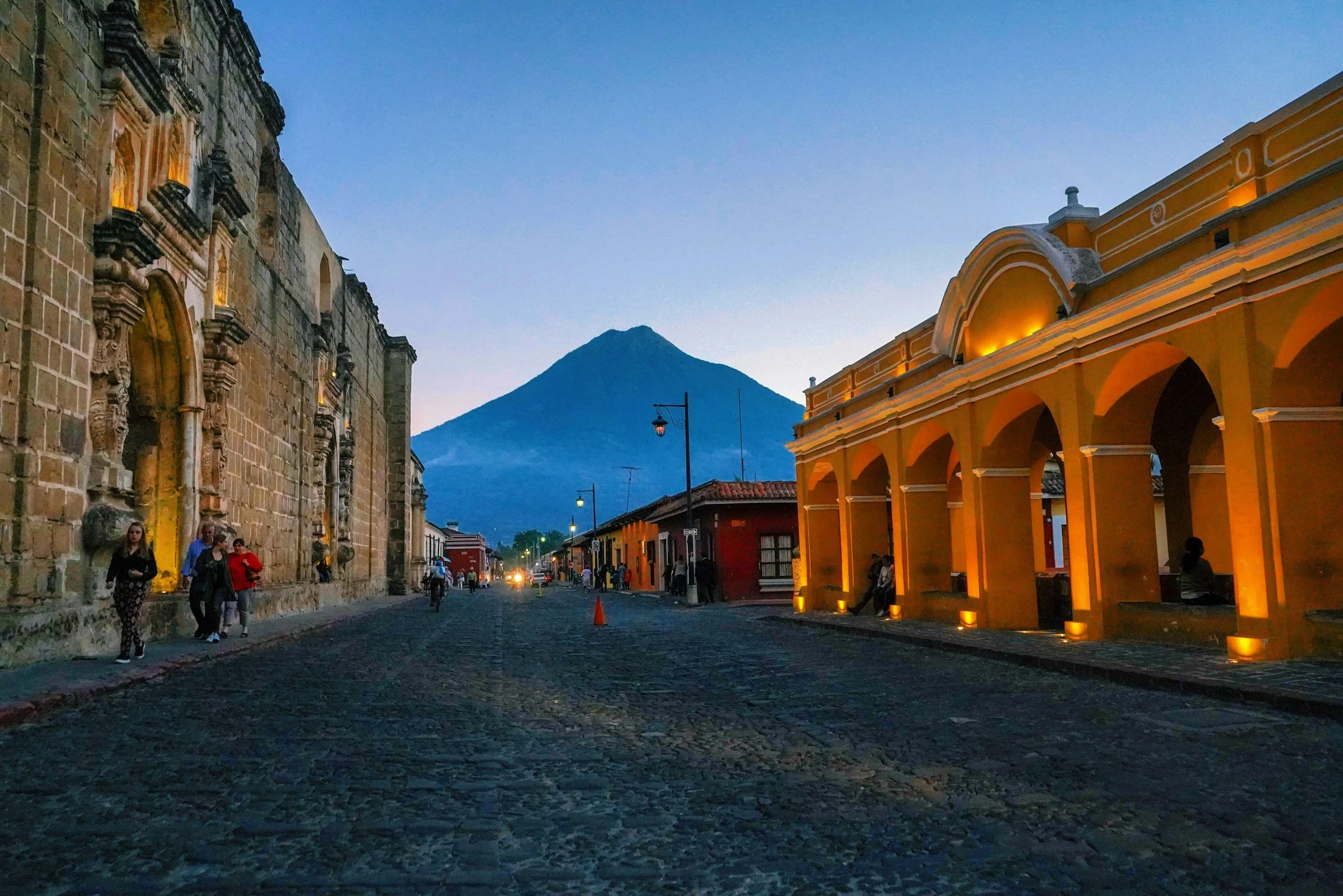
Antigua Guatemala is a colonial-era city in southern Guatemala, located about 40 km (25 mi) west of Guatemala City in the Panchoy Valley. Founded in 1543, it served as the capital of the Spanish Captaincy General of Guatemala for more than two centuries and remains one of the best-preserved colonial urban ensembles in the Americas. Its baroque architecture, cobblestone streets, and volcanic setting make it a UNESCO World Heritage Site and a major cultural and tourism center.
Key facts
Founded: 1543 (as Santiago de los Caballeros de Guatemala)
Elevation: ≈1,530 m / 5,029 ft above sea level
UNESCO inscription: 1979 (criteria ii, iii, iv)
Population: ≈57,000 (2018 estimate)
Department: Sacatepéquez, Guatemala
Historical background
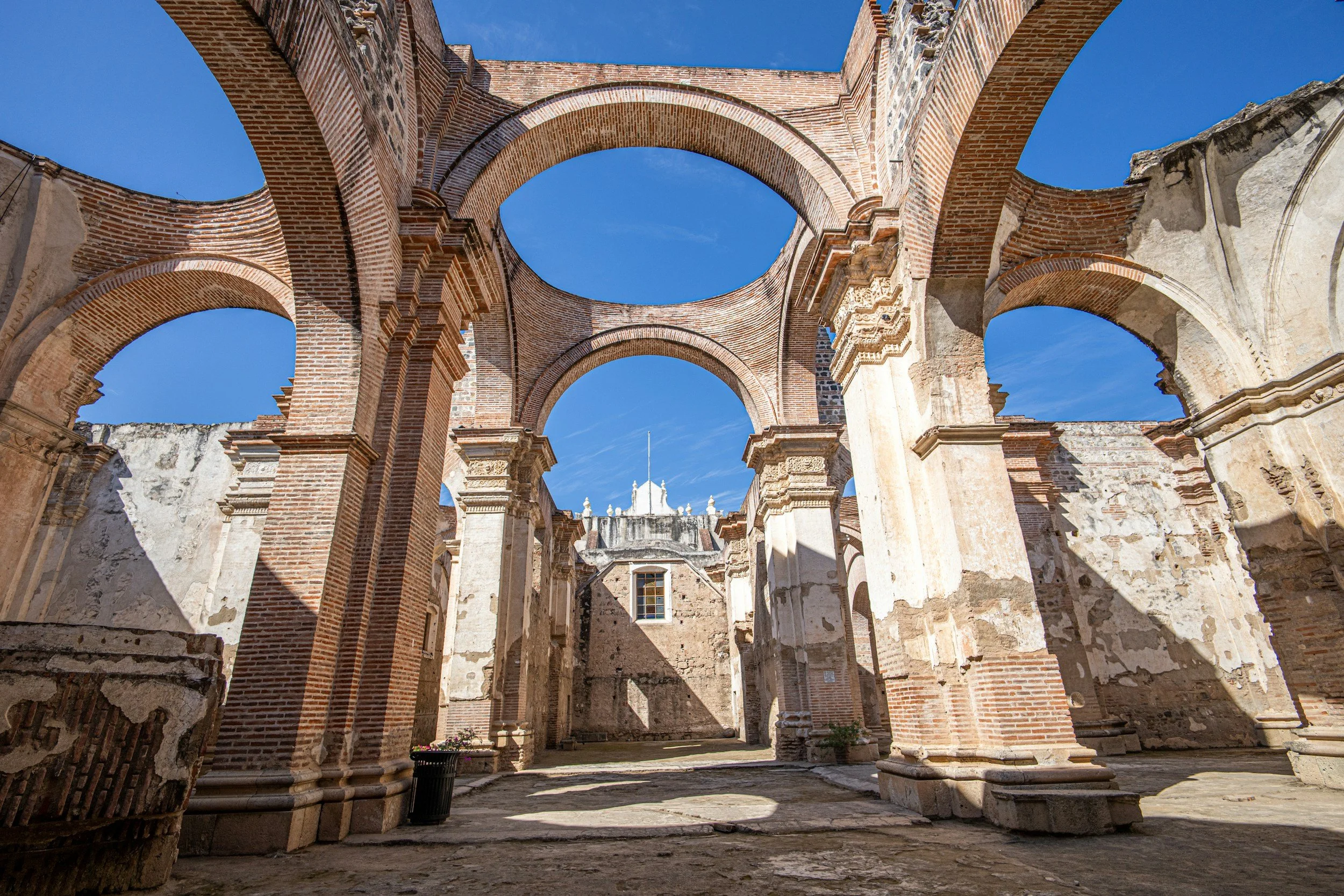
Originally established in 1524, the city was twice destroyed before being rebuilt at its current site in 1543. As the capital of the Spanish colonial administration governing much of Central America, it became a center of religion, culture, and learning. Repeated earthquakes—including the devastating 1773 Santa Marta quakes—led to the relocation of the capital to present-day Guatemala City, after which the settlement became known as “La Antigua Guatemala” (Old Guatemala).
Urban layout and architecture
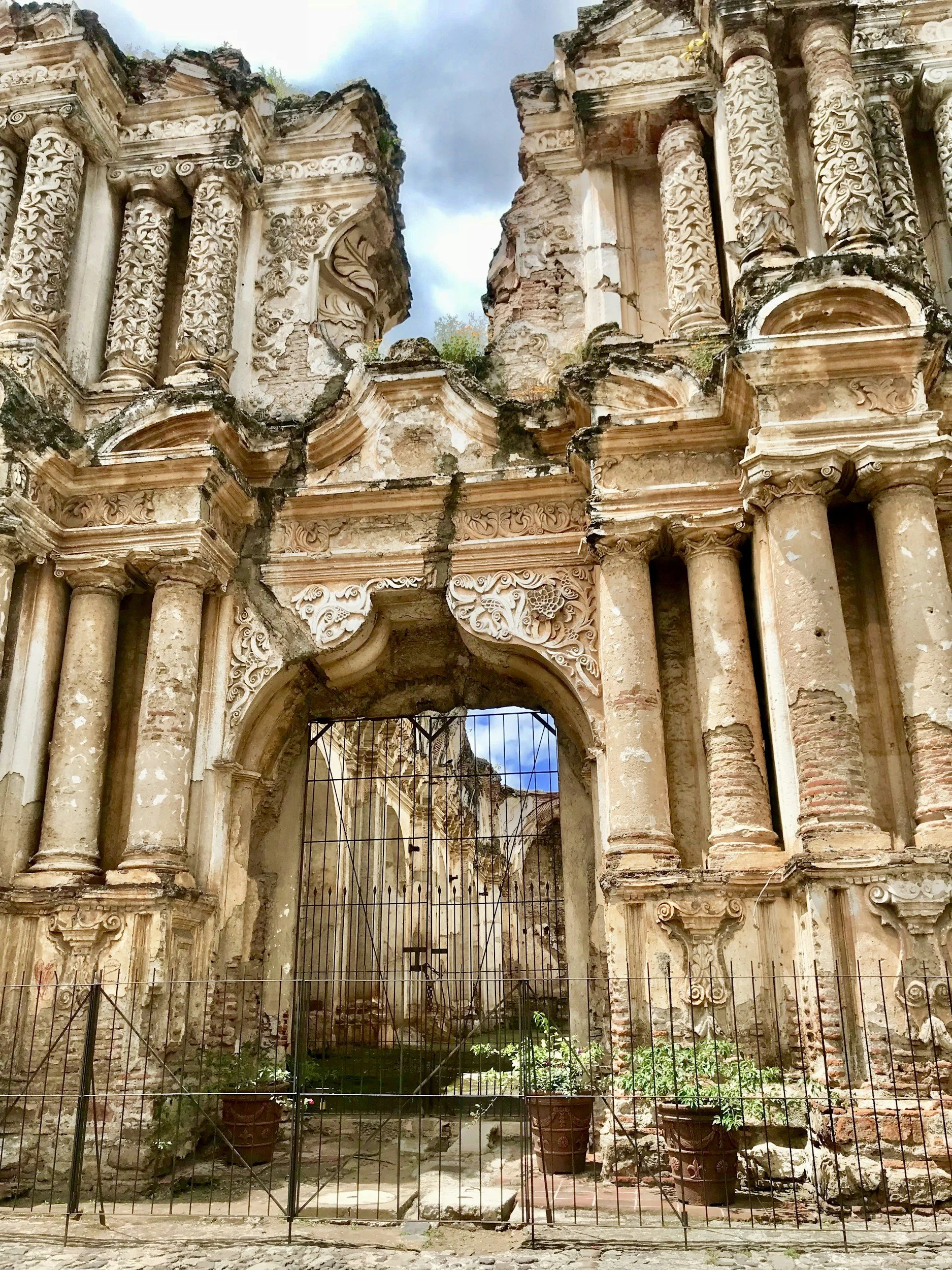
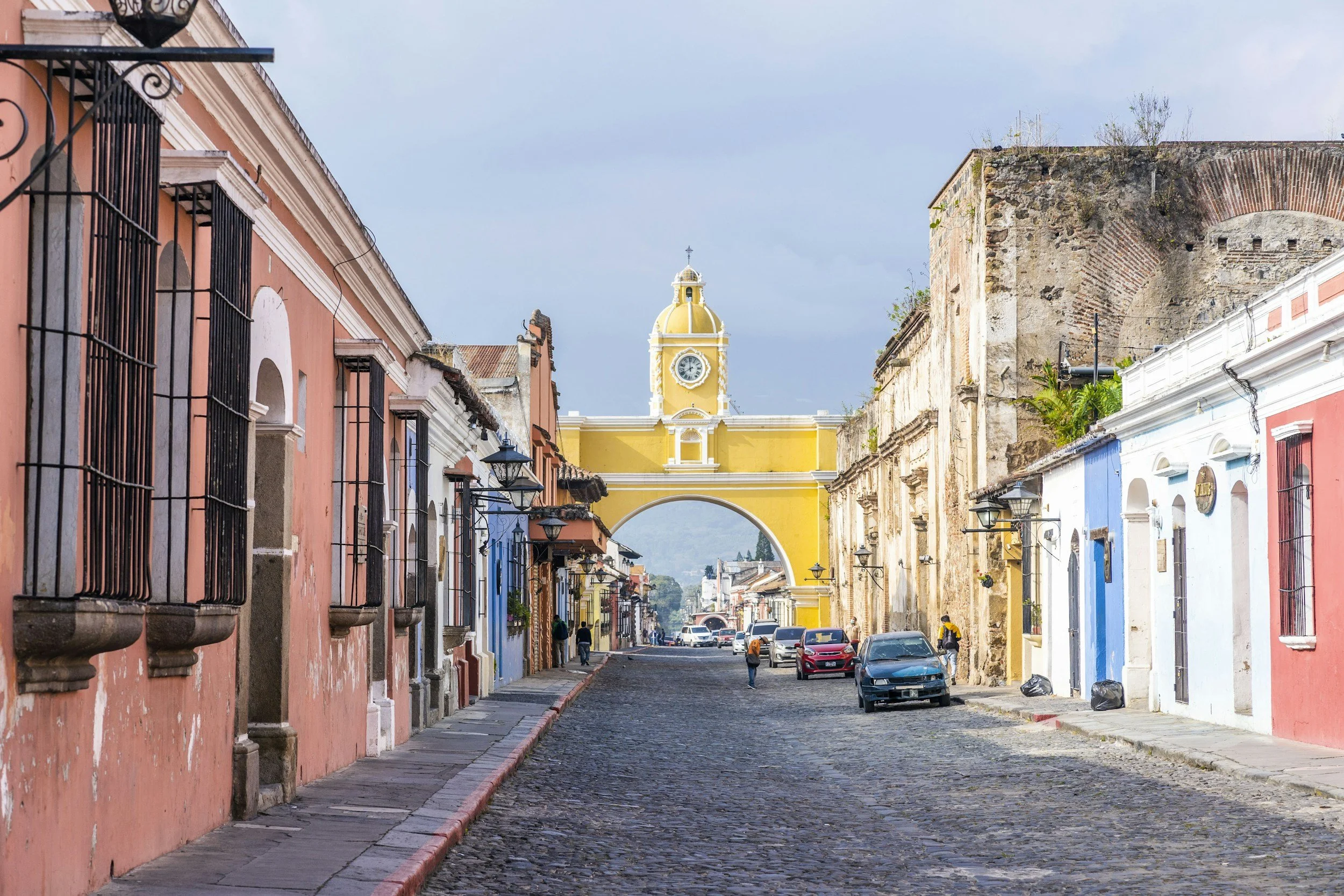
Antigua follows a Renaissance-inspired grid plan with a central plaza surrounded by civic and religious buildings. Surviving monuments include the Cathedral of San José, Palace of the Captains General, La Merced Church, Santa Catalina Arch, and numerous convents and monasteries. Its regional baroque variant, known as Barroco antigueño, features ornate stucco facades, thick walls, and low bell towers adapted to seismic conditions.
Cultural significance
The city is Guatemala’s premier heritage and tourism destination, renowned for Holy Week (Semana Santa) processions, Spanish-language schools, and thriving craft and coffee traditions. Museums and art centers occupy restored colonial buildings, while festivals and art events sustain its cultural vitality. Balancing preservation with urban growth remains a key focus of the National Council for the Protection of Antigua Guatemala.
Setting and tourism
Surrounded by the Agua, Fuego, and Acatenango volcanoes, Antigua offers scenic viewpoints such as Cerro de la Cruz. Visitors explore its walkable historic core, nearby coffee farms, and hiking routes, contributing to its development as a sustainable “smart” tourist destination emphasizing cultural heritage and environmental stewardship