How to Handle Bathroom Needs in the Backcountry (and Do It the Right Way)
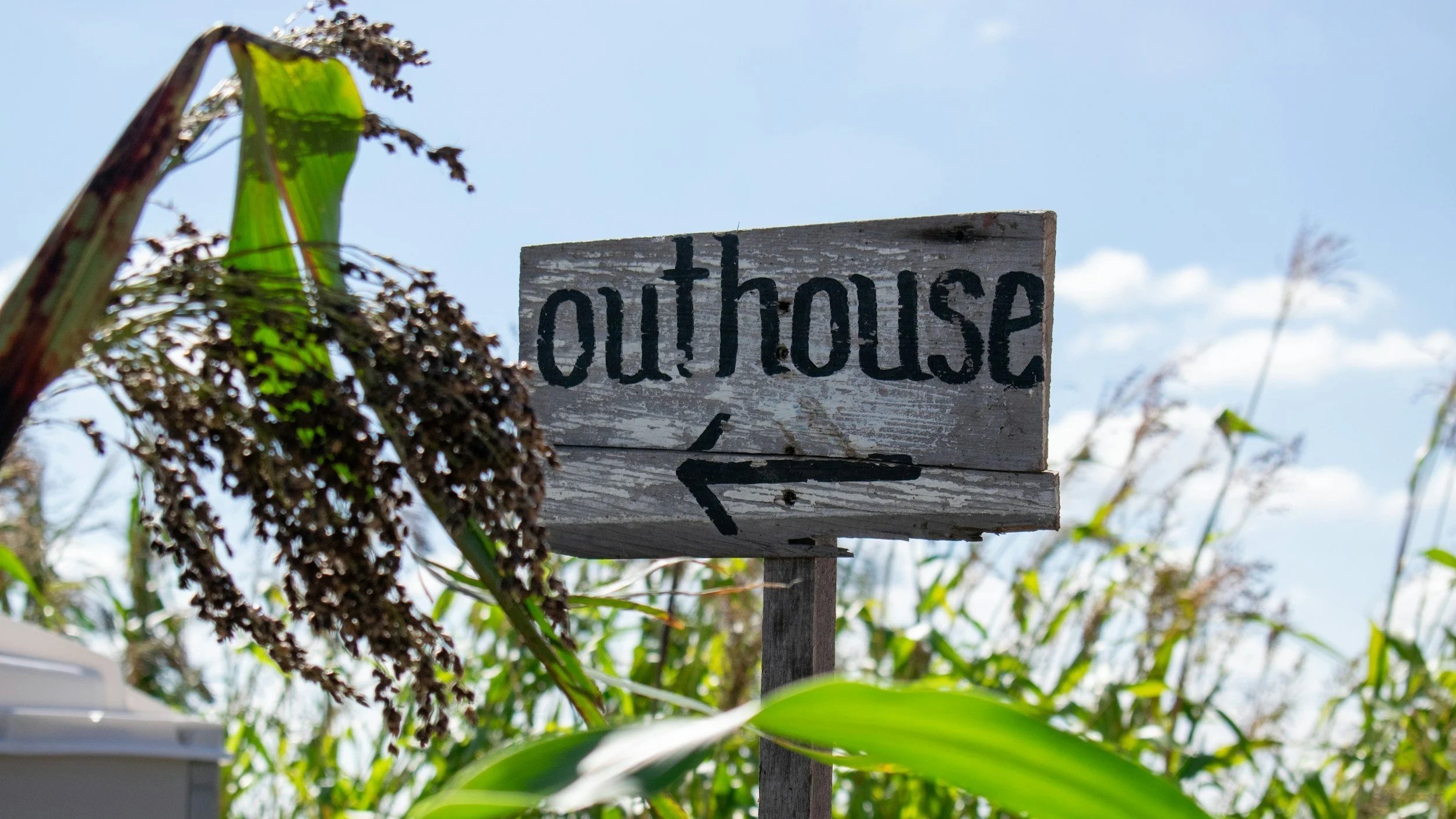
Nature calls no matter where we are, and the outdoors doesn’t guarantee restrooms or outhouses.
Let’s be honest — this is one of those outdoor topics most people feel uncomfortable talking about.
Bathroom needs in the woods can feel awkward, intimidating, or even anxiety-inducing, especially if you’re new to hiking, backpacking, or camping.
But here’s the truth: it’s one of the most important things to learn before spending time outdoors.
Nature calls no matter where we are, and the outdoors doesn’t guarantee restrooms. Knowing what to do, what to bring, and how to handle it safely and responsibly helps protect the environment — and gives you confidence when you’re out there.
Whether you’re hiking, backpacking, camping, or exploring wild places, how we manage our waste matters — for water quality, wildlife, and the experience of everyone who comes after us.
This guide will walk you through:
🌿 Leave No Trace bathroom basics
🪓 What gear to bring
📍 When and how to dig a cathole
🚫 Where burying waste is not allowed
🗺️ Parks and areas where you must pack out waste
🧠 Tips to make the whole process easier, safer, and less awkward
🌿 Why Proper Waste Disposal Matters (Leave No Trace Basics)
The third principle of Leave No Trace — Dispose of Waste Properly — exists for a reason.
Improper human waste disposal can:
Pollute water sources
Spread bacteria and disease
Attract wildlife to human areas
Create visual and environmental damage that lingers for years
When restrooms aren’t available, Leave No Trace guidelines recommend:
Go at least 200 feet from trails, campsites, and water sources
This distance helps prevent contamination of streams, lakes, and groundwater — and keeps the experience pleasant for others on the trail.Dig a 6–8 inch cathole for solid human waste.
At this depth, soil microbes can break down waste more efficiently while keeping it out of sight and out of water systems.Pack out all used toilet paper and wipes.
Even “biodegradable” products break down very slowly outdoors. I always bring extra Ziplock bags and a sealed bag to prevent leaks or odor.Cover and disguise the cathole when finished
Use the original soil and natural materials so the area looks untouched.
A cathole is simply a small pit dug for human waste when burying is allowed, and it’s the most common method used in many forested backcountry areas.
🧰 Your Backcountry Bathroom Kit (What to Bring)
Being prepared makes this part of the trip far less stressful — and far more responsible.
Here’s what I always carry:
Trail toilet paper, biodegradable wipes, or PACT wipes
Camping trowel (lightweight aluminum shovel)
Wag bags and two extra Ziplock bags for used toilet paper or wipes
A squeezable water bottle: helpful for wetting wipes or rinsing - you can use a regular small empty water bottle, or below are a few other types specifically for this situation
Hand Sanitizer: This is non-negotiable for me. I carry one hanging from the front of my backpack and another extra one in my pack.
Optional items: extra items I have because I am a maniac when it comes to having to carry waste 💩☣️
🪓 How to Use a Cathole (Step-by-Step)
When burying waste is allowed, this method meets Leave No Trace standards:
Walk at least 200 feet from water, trails, and campsites.
Use your trowel to dig a 6–8 inch hole in soil with organic material.
Do your business in the hole.
Pack out all toilet paper and wipes — do not bury them.
Cover the hole with the original soil and disguise it with natural materials.
This minimizes environmental impact and keeps human waste away from water and people.
🚫 When You Cannot Dig a Hole
In some environments, catholes are not allowed at all — usually because the soil is too rocky, fragile, heavily trafficked, or slow to break down waste.
In these areas, you are required to pack out solid human waste.
Examples of Areas With Pack-Out Rules
Guadalupe Mountains National Park (TX) – rocky desert soil
Mt. Whitney Zone (CA) – extremely high use
Slot canyons like Buckskin Gulch & parts of Zion – narrow terrain and flash-flood zones
River corridors and certain backcountry zones in Canyonlands NP
⚠️ Regulations change and can vary by zone — always check the official park or land-management website before your trip.
🧠 Tips for Making It Easier (and Less Awkward)
Go before you go. Use a restroom at the trailhead whenever possible.
Carry a dedicated “bathroom kit.” Having everything ready reduces stress.
Talk about it with your group. A quick conversation beforehand avoids awkward moments later.
Use approved waste-pack-out systems when required. They’re designed for safety and sanitation.
⚠️ Safety & Comfort Tips Most People Don’t Talk About
Bathroom breaks outdoors aren’t just about etiquette — they’re also about safety.
Always look before you squat or bend down.
Be aware of snakes, insects, and uneven ground, especially in warm climates.Avoid brushing against unknown plants.
Poison ivy, oak, and sumac can cause serious rashes — choose clear ground.Use trees for balance if needed.
Some people lightly hold onto a sturdy tree, squat with their back to it, or sit against it for stability — do what feels safe and comfortable without damaging vegetation.Take your time.
Rushing increases the chance of slips, contact with plants, or poor site choice.
✨ Remember: Pack It In, Pack It Out
“Pack it in, pack it out” isn’t just about trash — it includes human waste materials too.
As outdoor spaces become more popular, pack-out requirements are increasing in sensitive and high-use areas. Learning and practicing these habits now helps keep wild places wild.
🏁 Final Takeaway
Bathroom needs in the backcountry aren’t taboo. They’re part of outdoor responsibility.
With a little preparation, the right gear, and Leave No Trace know-how, you can confidently, safely, and respectfully handle nature’s call anywhere the trail takes you — without harming the environment or the experience of others.
Happy Trails! 🥾
Affiliate Disclosure: This post may contain affiliate links. If you make a purchase through them, I may earn a small commission at no additional cost to you.