
Traveling Right Now Feels Heavy — And There’s a Reason for That
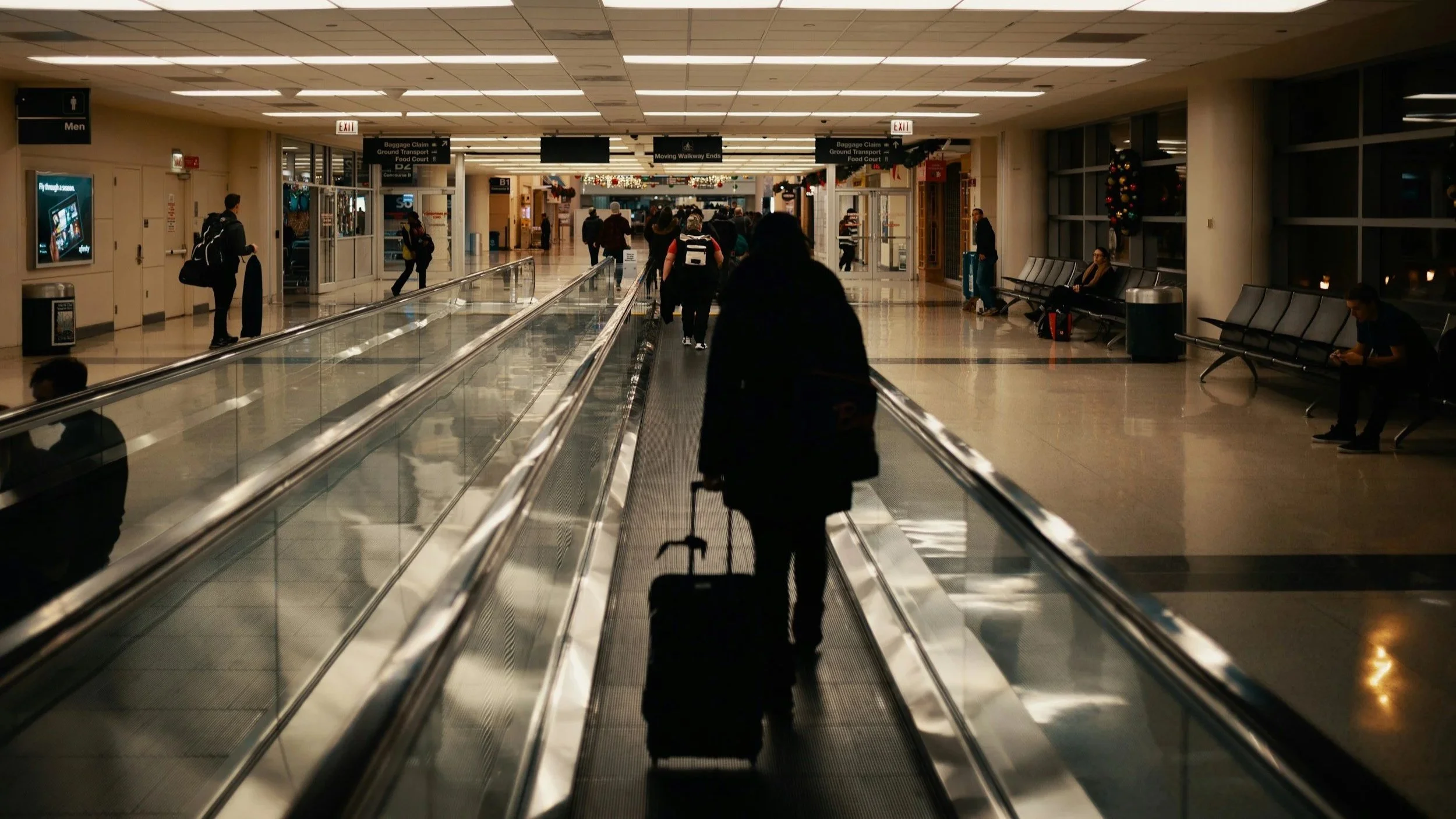
Lately, when people reach out to me about travel, the questions sound different.
They’re not asking about hotels or itineraries.
They’re not asking where to hike or what’s trending.
They’re asking things like:
“Is it safe to come to the U.S.?”
“Should my parents still visit?”
“What if something happens while they’re here?”
“Am I overthinking this?”
And the answer is no. You’re not.
I want to talk about this honestly, because what people are feeling right now is real. This isn’t about fear of crime. It’s about fear of being targeted, questioned, misunderstood, or treated unfairly, simply for looking foreign, sounding different, or being an immigrant.
This article isn’t meant to be political. I’m not here to debate policies or point fingers. I’m writing this because people are scared, confused, and carrying a weight that others may not even realize exists.
And silence doesn’t help anyone.
A Note Before We Go Any Further
I want to be very clear about why I’m sharing this.
This is not about taking sides.
This is not about stirring outrage.
This is not about discouraging travel.
It is about addressing a serious concern I’m hearing repeatedly from people outside the U.S. who are reconsidering travel here, and from Americans who want their family to visit but are genuinely worried about their loved ones’ safety.
As sad as it is, this is the reality right now.
Some people may read this and feel uncomfortable.
Some may feel defensive.
Some may not even realize the weight others are carrying.
And some will feel seen and heard.
And that’s precisely why this conversation matters.
Why This Hits Close to Home for Me
I’m an American citizen.
I’m also someone who was once an immigrant.
I came to this country almost 40 years ago with a green card, and I’m deeply grateful for that. I don’t complain about my journey, but I also won’t pretend it was easy. Being an immigrant in this country has never been easy, no matter how people try to simplify it.
Whether someone came here legally or illegally, the struggle was still there.
Trying to fit in.
Trying to be accepted.
Trying to prove your worth.
Trying to live up to the so-called American Dream.
That part is rarely discussed honestly.
And even when you do everything “right,” there’s an awareness that you are seen differently. That you have to be more careful. More prepared. More polite. More grateful.
And sometimes, there’s the suggestion that you should be quieter, softer, less visible, or that you should tame your personality.
But I am who I am. I’ve worked hard to become this version of myself, and I’m proud of it.
Why People Are Nervous, Even If They’re Traveling Legally
One thing I want to clear up, because confusion adds to fear.
There are two very different things happening at the same time.
Tourist travel, technically speaking, is still allowed
Tourist visas and travel authorizations (such as ESTA or ETA) remain in effect. People can still visit the U.S. for vacations, family visits, and short stays if they meet the requirements.
Tourism visas themselves have not been broadly suspended.
But enforcement culture has changed
And this is the part people are reacting to.
Immigration enforcement is more visible.
Authority has expanded beyond borders and airports.
Questioning feels less predictable.
Appearance and language matter more than people want to admit.
So even when someone is traveling legally, doing everything right, and following the rules, there’s still fear.
Because fear doesn’t come from paperwork.
It comes from power dynamics and lived experience.
This Is Already Affecting Tourism, Not Just Feelings
This isn’t just emotional. It’s measurable.
International tourism to the United States declined last year, even while global travel continued to rebound. Industry data from travel and tourism organizations show fewer international visitors choosing the U.S., especially from key regions such as Canada, Europe, and parts of Latin America.
Canada, historically the largest source of international visitors to the U.S., has shown a noticeable pullback.
Analysts point to more than just cost or inflation. Perception matters. Feeling welcomed matters. Feeling safe matters.
People don’t stop traveling because borders close.
They stop traveling when they don’t feel comfortable crossing them.
For Travelers of Color, This Fear Isn’t Abstract
This is the part that often gets minimized, so I want to say it clearly.
In the current environment, not everyone is experiencing travel or this country in the same way.
Right now, travelers who are Hispanic, Black, Brown, immigrant, or foreign-born are more likely to:
Be questioned.
Be watched.
Second-guess everyday decisions.
Carry anxiety even when they’re doing everything right.
That reality changes behavior.
Some people are choosing different destinations.
Some are traveling in groups instead of solo.
Some are shortening visits.
Some are postponing trips altogether.
Those aren’t overreactions.
They’re rational responses to the environment people are currently navigating.
What I’m Actually Advising as a Travel & Adventure Coach
I won’t tell anyone to ignore reality.
And I won’t tell anyone to stop living their life either.
This is what I’m sharing with clients and friends right now:
Travel is still possible, but blind travel is no longer wise.
Know exactly what status you’re traveling under.
Carry proper documentation.
Have return tickets and accommodations easily accessible.
Avoid overstays at all costs.
Understand your rights, but also understand the risks.
And just as important:
If traveling right now feels emotionally unsafe for you or your family, you are allowed to pause, pivot, or choose a different destination.
Remember, choosing peace of mind is not a weakness. It’s wisdom.
Why I’m Still Talking About Travel at All
Some people may wonder why I’m still encouraging travel conversations when things feel so tense.
Because fear already takes enough from people.
Especially immigrants.
Especially women.
Especially communities that have always had to be more careful.
Travel has never been separate from politics, power, or borders.
What’s changed is who feels the weight of that reality most and how visible it’s become.
My role isn’t to convince anyone to go or to take the trip.
My role is to help you decide from a place of clarity, not confusion.
Why This Conversation Matters?
If travel feels heavier right now, it’s because it is.
The rules haven’t just changed on paper.
They’ve changed in how people feel moving through the world.
Acknowledging it doesn’t mean giving up.
It means traveling with eyes wide open, compassion intact, and dignity protected.
And if this article helps even one person feel seen, understood, or less alone in their fear, then it was worth it.
Resources & Information
If you want factual, non-sensational information to help you make informed decisions, these resources are a good place to start:
U.S. Travel Association – inbound tourism data and forecasts
Tourism Economics – global and U.S. travel trends
Skift – travel industry reporting and analysis
U.S. State Department (travel.state.gov) – visa categories and entry requirements
U.S. Customs and Border Protection (CBP) – entry procedures and traveler information
ACLU “Know Your Rights” – information on rights during questioning or encounters
Always verify visa and entry requirements directly with official government sources before traveling.