
Why Guatemala Should Be on Your Bucket List: Volcanoes, Mayan Ruins, and Colonial Cities
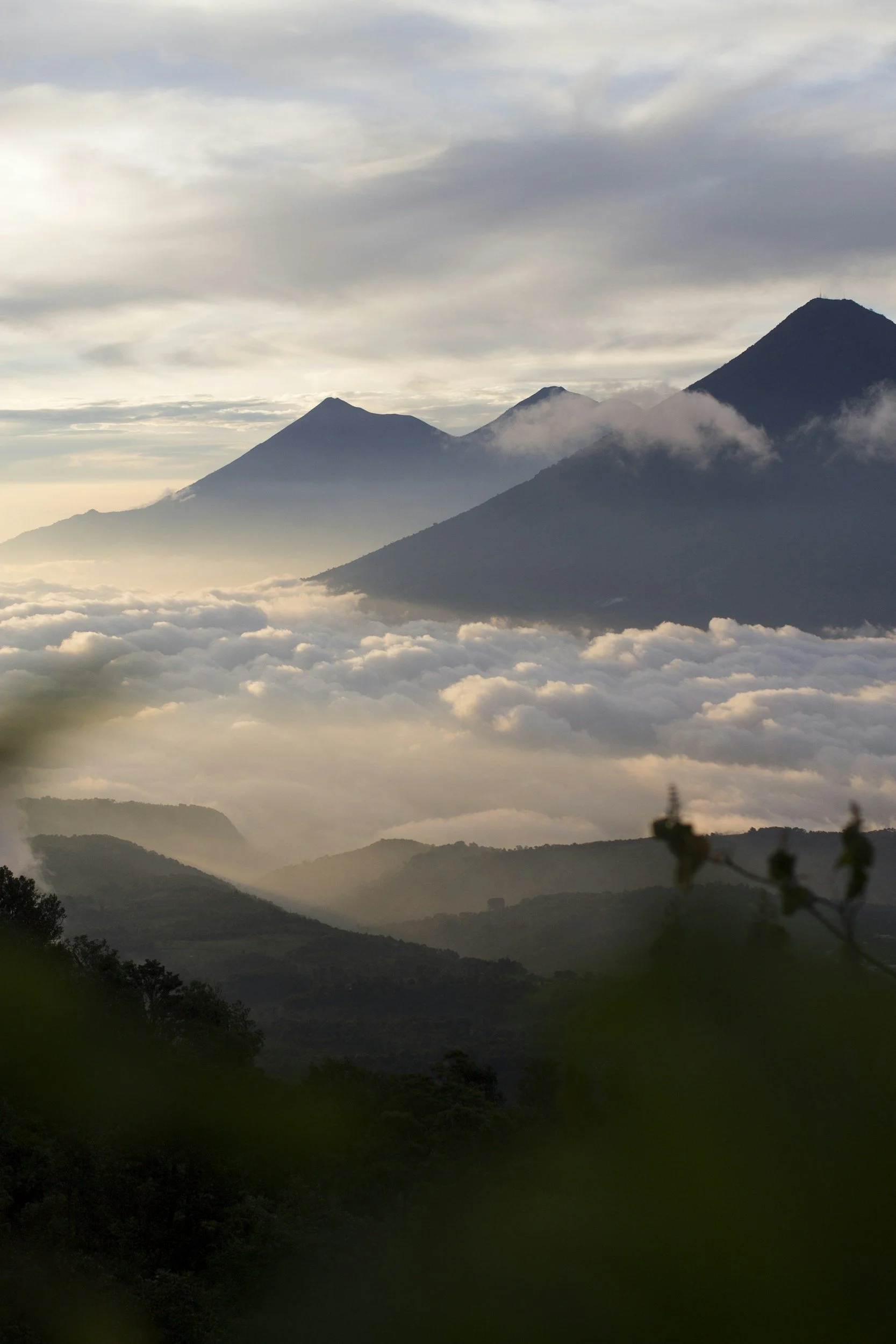
Guatemala is home to 37 officially recognized volcanoes, with three—Pacaya, Fuego, and Santiaguito—constantly active.
G U A T E M A L A
I love just saying its name.
Not because everyone else is talking about it.
Not because it’s trending.
But because it’s part of me.
I was born there.
And no matter how many years pass, I always feel the pull back —
to the volcanoes,
the markets,
the people,
the culture,
the faith woven into architecture,
the colors that come alive in a way you don’t quite see anywhere else.
To traditions that are still lived, not performed.
To communities that carry history in their hands and stories in their eyes.
So when I recommend Guatemala, it isn’t random.
It’s heartfelt.
And lately, I’m not the only one feeling it.
Because Guatemala is no longer a quiet secret tucked into Central America.
It’s rising.
Welcome to the Land of the Eternal Spring
Guatemala Is Rising And the World Is Noticing
Over the past few years, Guatemala has welcomed millions of international visitors annually, surpassing pre-pandemic tourism numbers and drawing global attention for its culture, landscapes, and authenticity.
Much of this renewed visibility is credited to the Instituto Guatemalteco de Turismo (INGUAT), Guatemala’s national tourism board, which has worked to position the country as one of Central America’s leading cultural and adventure destinations.
Guatemala’s growing global recognition has also been reflected in the World Travel Awards, often referred to as the “Oscars of the travel industry.” The country and its tourism institutions have received nominations and honors, including:
Central America’s Leading Cultural Destination
Recognition for Central America’s Leading Tourist Board
You can explore the official nominations and regional winners on the World Travel Awards website:
https://www.worldtravelawards.com
Guatemala’s rising popularity has also been highlighted by major travel publications such as Travel + Leisure, Condé Nast Traveler, and National Geographic Travel, which have featured the country for its ancient Mayan ruins, vibrant indigenous culture, colonial cities, and dramatic volcanic landscapes.
But statistics and awards alone don’t explain the pull.
What people are discovering when they visit Guatemala is depth.
Guatemala offers:
Indigenous heritage that is still vibrant and visible
Volcanoes you can actually hike
Colonial cities that feel alive, not curated
Artisan markets filled with handmade textiles and stories
Sacred lakes surrounded by communities rooted in tradition
It feels layered. It feels real.
And in a world where many destinations feel polished to perfection, Guatemala still feels human.
But to truly understand Guatemala, you have to go much further back.
The Ancient Roots of Guatemala: The Maya Civilization
Long before the arrival of the Spanish, Guatemala was one of the most important centers of the Maya civilization, one of the most sophisticated cultures in the ancient world.
The Maya built vast cities deep in the jungle, developed complex calendars, advanced mathematics, astronomy, and one of the earliest writing systems in the Americas.
Their civilization flourished for centuries across what is now Guatemala, Mexico, Belize, and Honduras.
Today, Guatemala remains the heart of the Maya world.
More than 20 Mayan languages are still spoken, and indigenous communities continue to preserve traditions, weaving techniques, ceremonies, and cultural practices passed down for generations.
You don’t just read about Mayan culture here.
You witness it living.
Visiting the Great Mayan Cities - Tikal

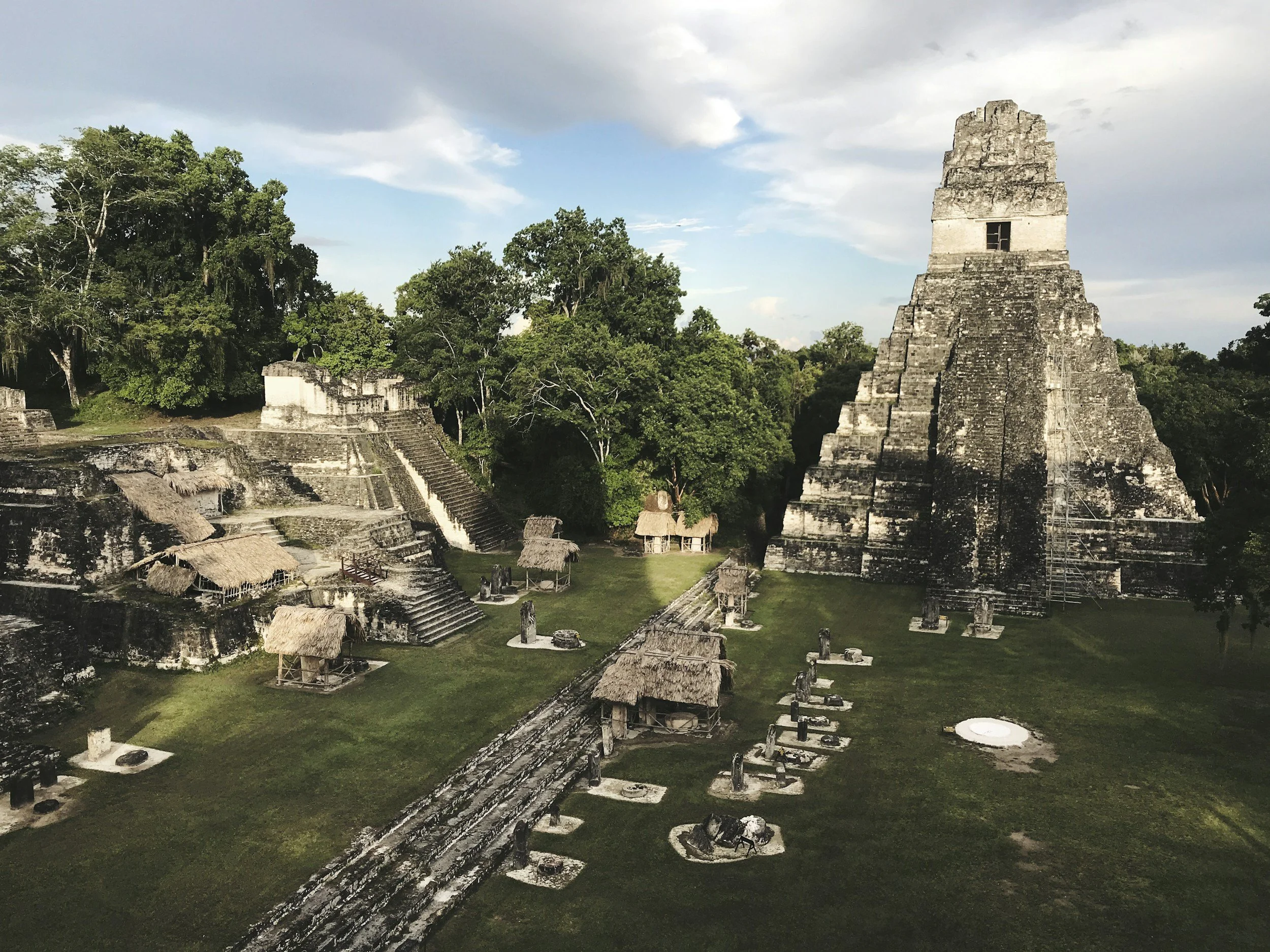

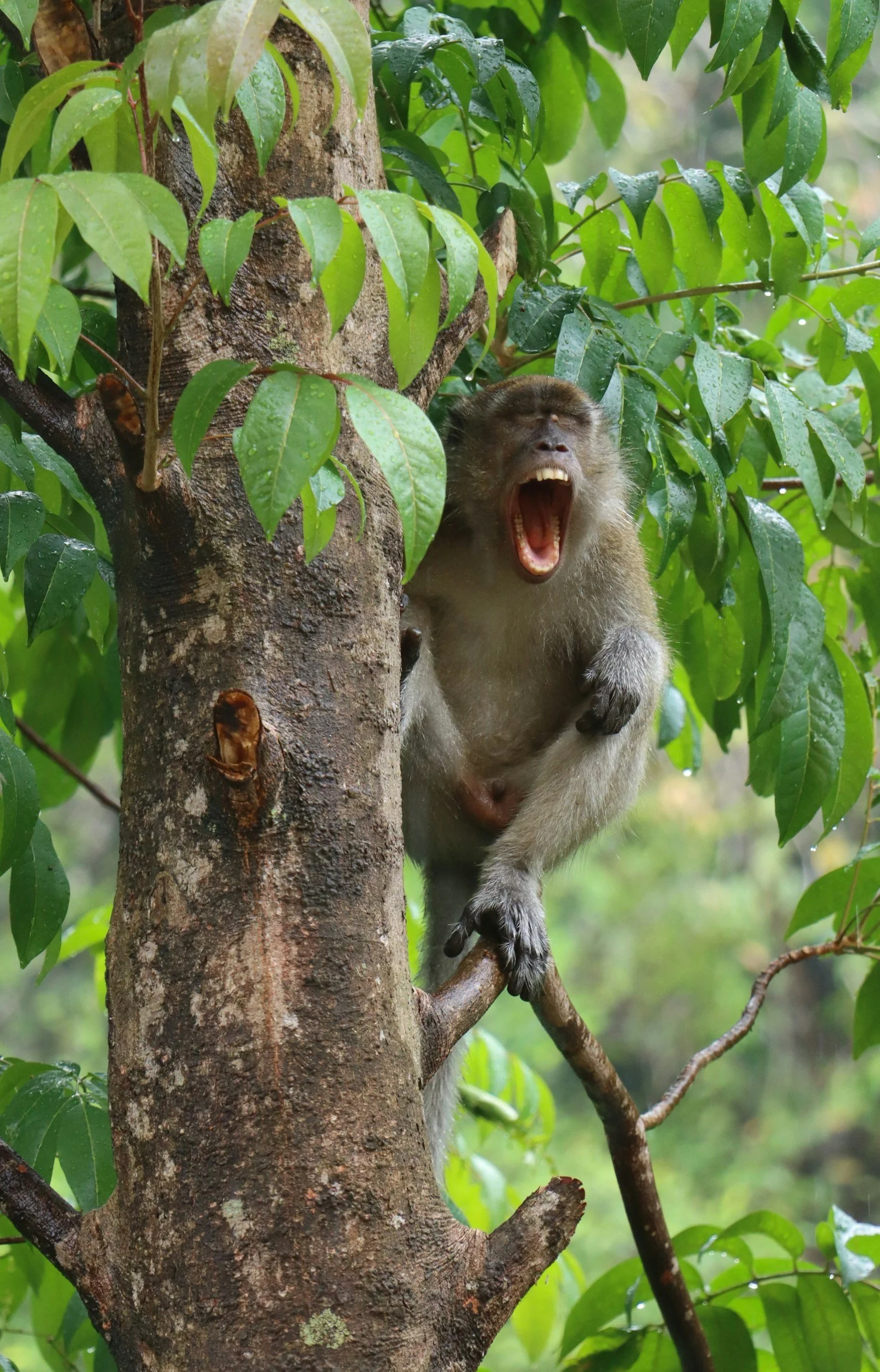
One of the most extraordinary ways to experience Guatemala’s ancient past is by visiting its incredible archaeological sites.
The most famous is Tikal, one of the greatest cities of the ancient Maya world.
Located deep in the rainforest of northern Guatemala, Tikal flourished between approximately 200 and 900 AD and was once home to tens of thousands of people. Massive pyramids rise above the jungle canopy, where visitors can climb ancient temples and watch the sunrise over a sea of green while howler monkeys echo through the forest.
It is widely considered one of the most breathtaking archaeological sites in the Americas.
Nearby sits the charming lakeside town of Flores, a colorful island town on Lake Petén Itzá that serves as the main gateway for travelers visiting Tikal.
Flores is worth exploring on its own, with cobblestone streets, vibrant buildings, lakefront restaurants, and spectacular sunsets.
Other important Mayan archaeological sites throughout Guatemala include:
• Yaxhá – a stunning jungle site overlooking twin lakes
• El Mirador – home to one of the largest pyramids in the world by volume
• Quiriguá – famous for its towering carved stone monuments and stelae
If exploring Guatemala’s Mayan ruins is on your bucket list:
👉 Explore Mayan Ruins Tours
👉 Find Hotels in Tikal & Flores
Coming Soon: My upcoming Women’s Adventure Trip to Guatemala will be announced soon.
This journey will include exploring the incredible Mayan city of Tikal, deep in the rainforest — one of the world's most awe-inspiring archaeological sites.
If Guatemala has been on your heart, stay tuned. Date details coming soon.
Colonial Guatemala: When Antigua Was the Capital of Central America
After the Spanish conquest in the 1500s, Guatemala became one of the most important colonial centers in the Americas.
The city of Antigua Guatemala served as the capital of the Captaincy General of Guatemala, which governed much of Central America, including present-day Guatemala, El Salvador, Honduras, Nicaragua, Costa Rica, and parts of southern Mexico.
For more than two centuries, Antigua was the political, religious, and cultural heart of the region.
Grand cathedrals, monasteries, and colonial mansions were built throughout the city.
Although devastating earthquakes in the 1700s eventually forced the capital to move to what is now Guatemala City, Antigua remains one of the most beautifully preserved colonial cities in the Americas and is now recognized as a UNESCO World Heritage Site.
Antigua Guatemala: Where History Meets Volcanoes
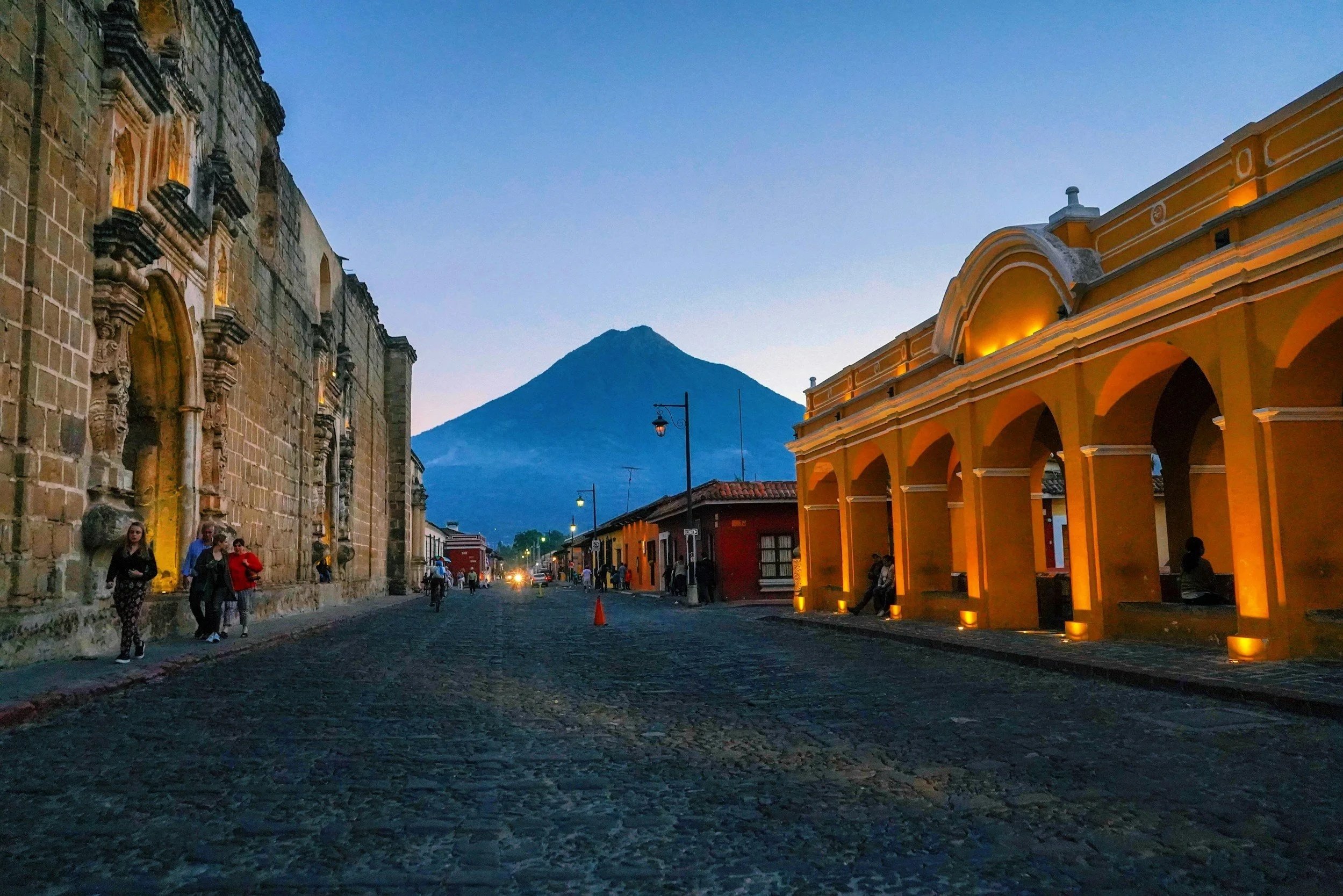
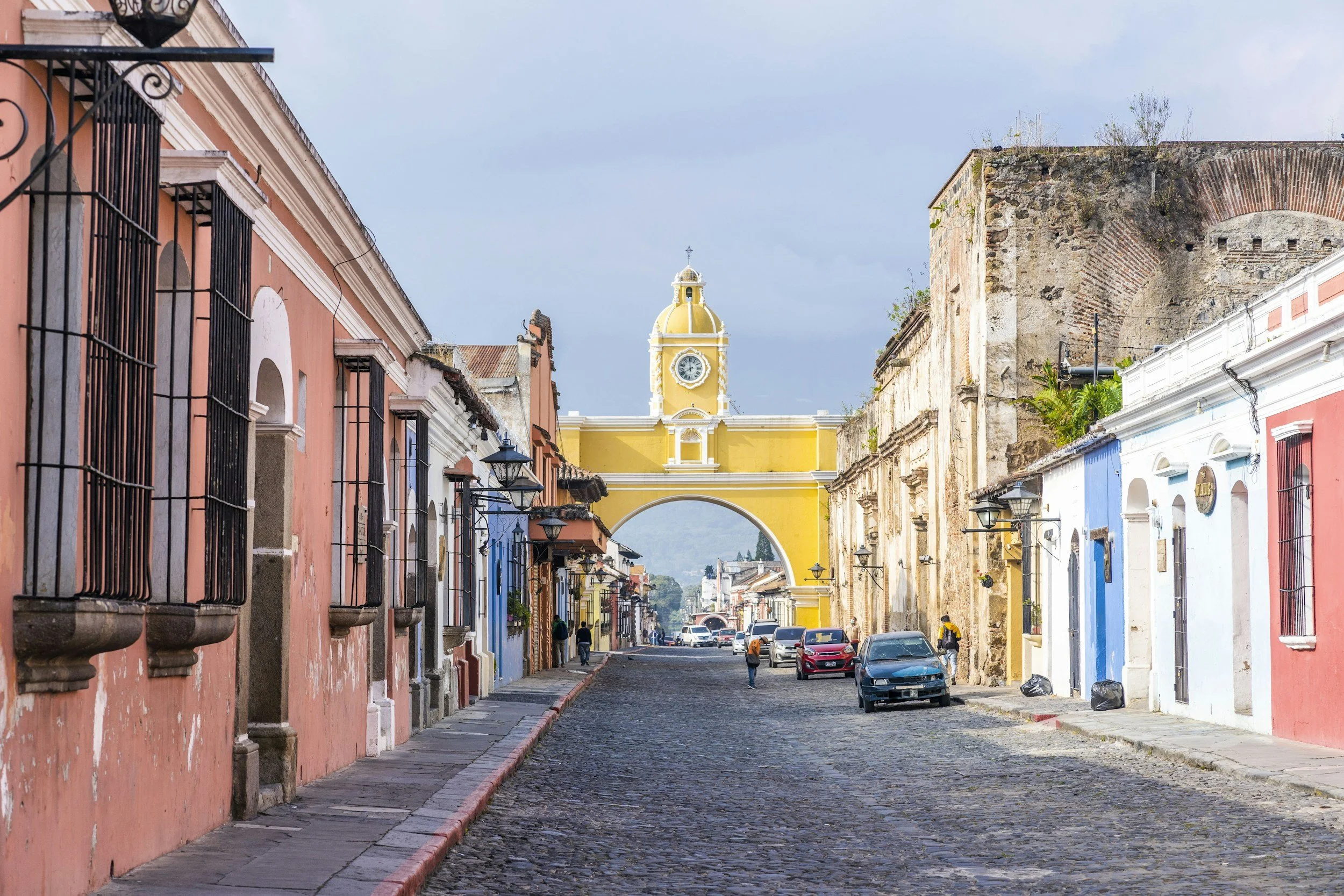

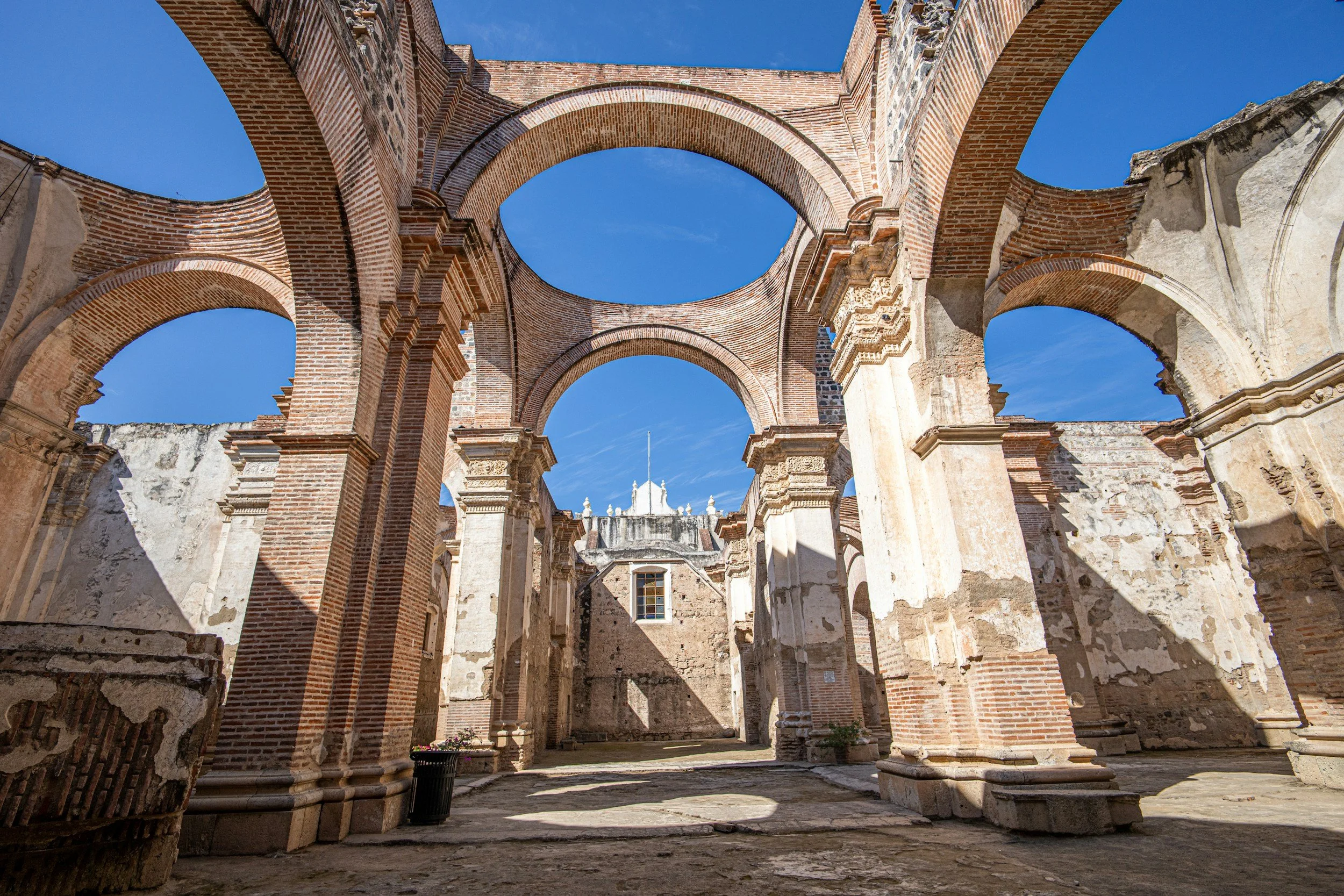
For first-time visitors, Antigua is the perfect introduction to the country.
A city framed by three volcanoes, Antigua blends colonial architecture, vibrant culture, and breathtaking landscapes.
Some highlights include:
• The iconic Santa Catalina Arch
• Cerro de la Cruz, offering panoramic views of the city
• Coffee tours at plantations like Finca Filadelfia, Finca San Cayetano, or smaller farms like Finca Tres Pasos Coffee
• Visiting historic churches, including La Merced and the Antigua Cathedral ruins
Antigua is walkable, vibrant, and filled with rooftop restaurants, art galleries, cafés, and cobblestone streets that feel frozen in time.
Where to Stay in Antigua
One of the most unique places to stay is Hotel Casa Santo Domingo, a luxury hotel built within the ruins of a 16th-century convent where history, art, and architecture blend beautifully.
👉 Explore Hotels in Antigua
👉 Book Antigua Tours & Experiences
Lake Atitlán: A Place That Quietly Changes You
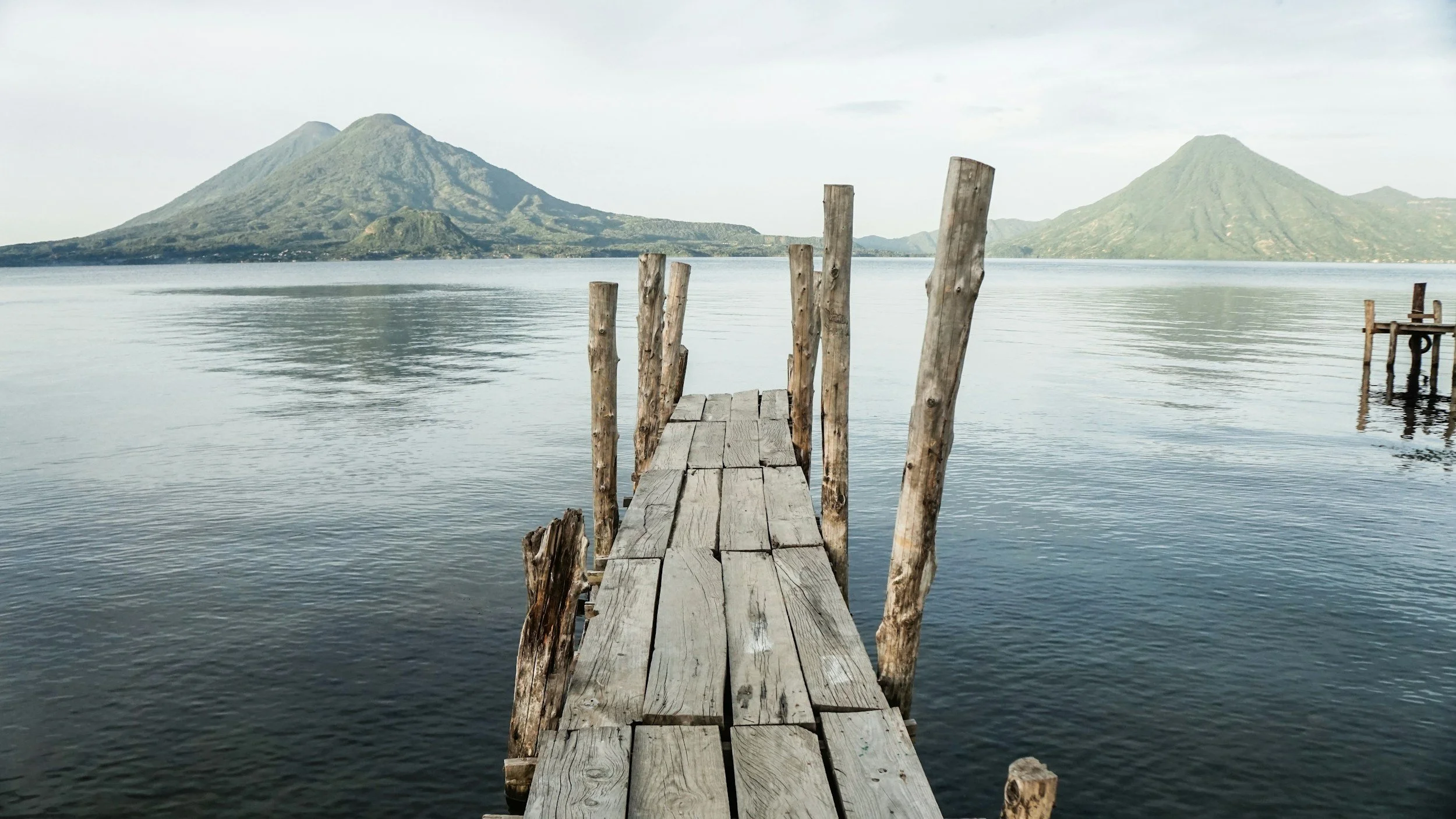
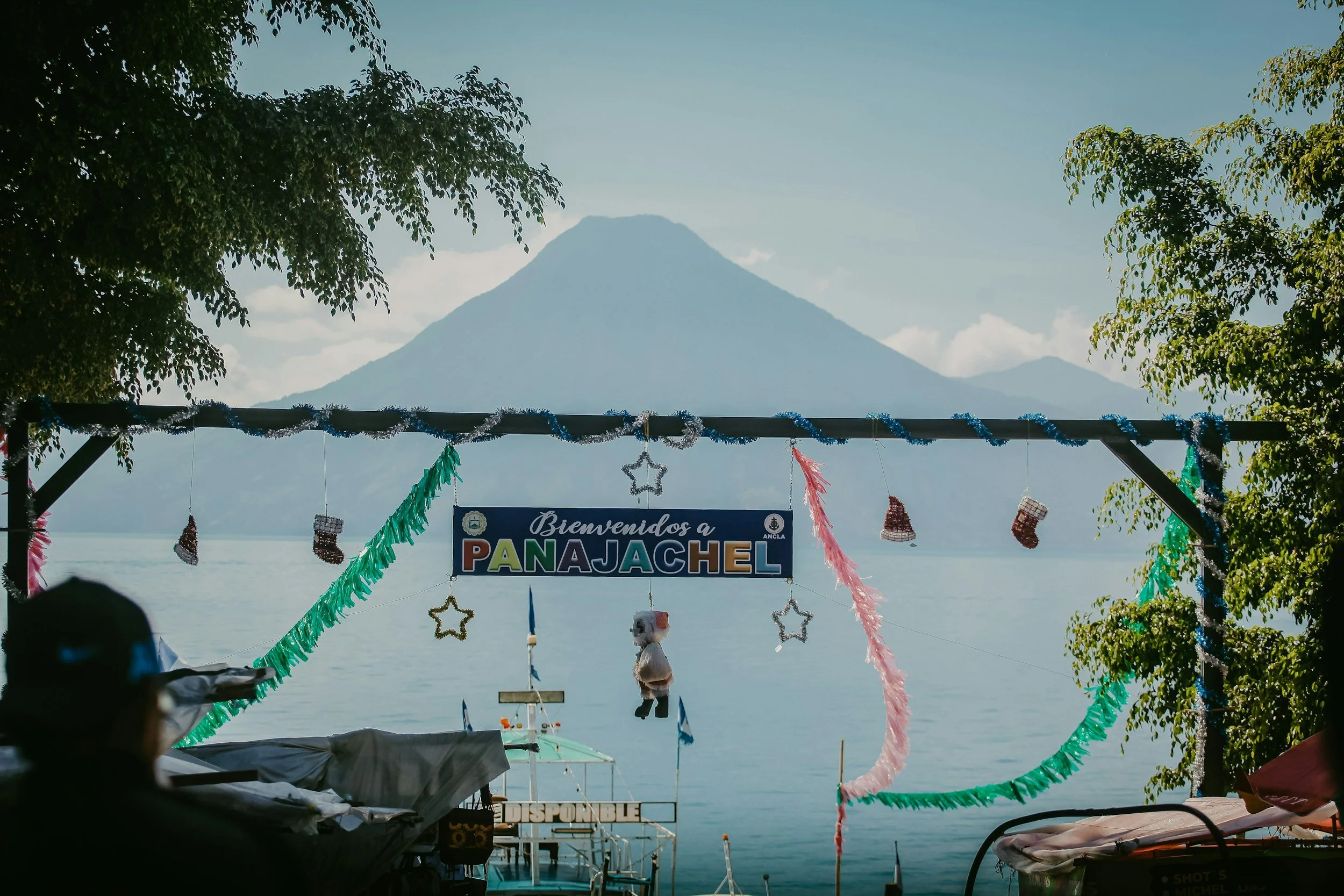
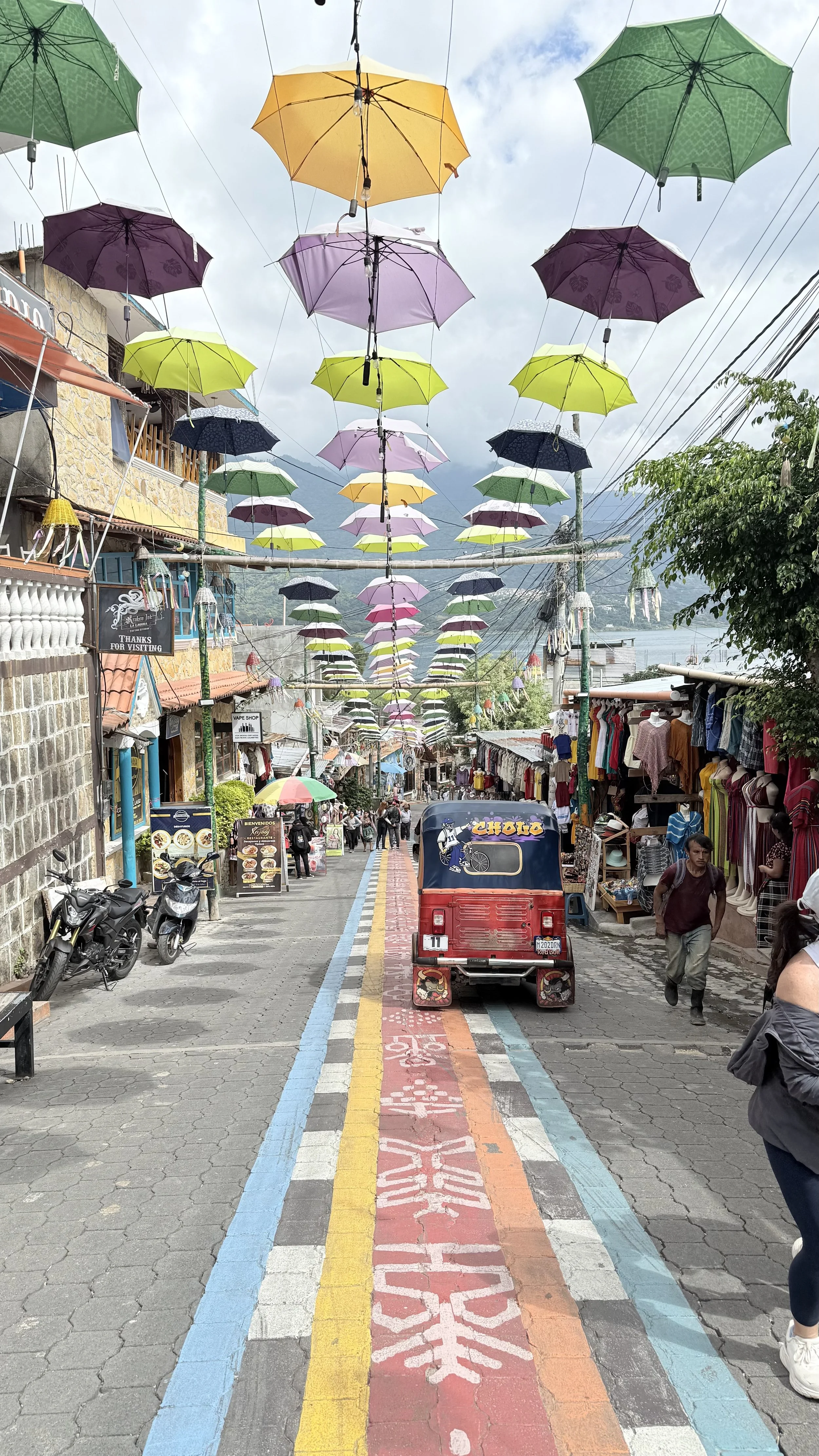
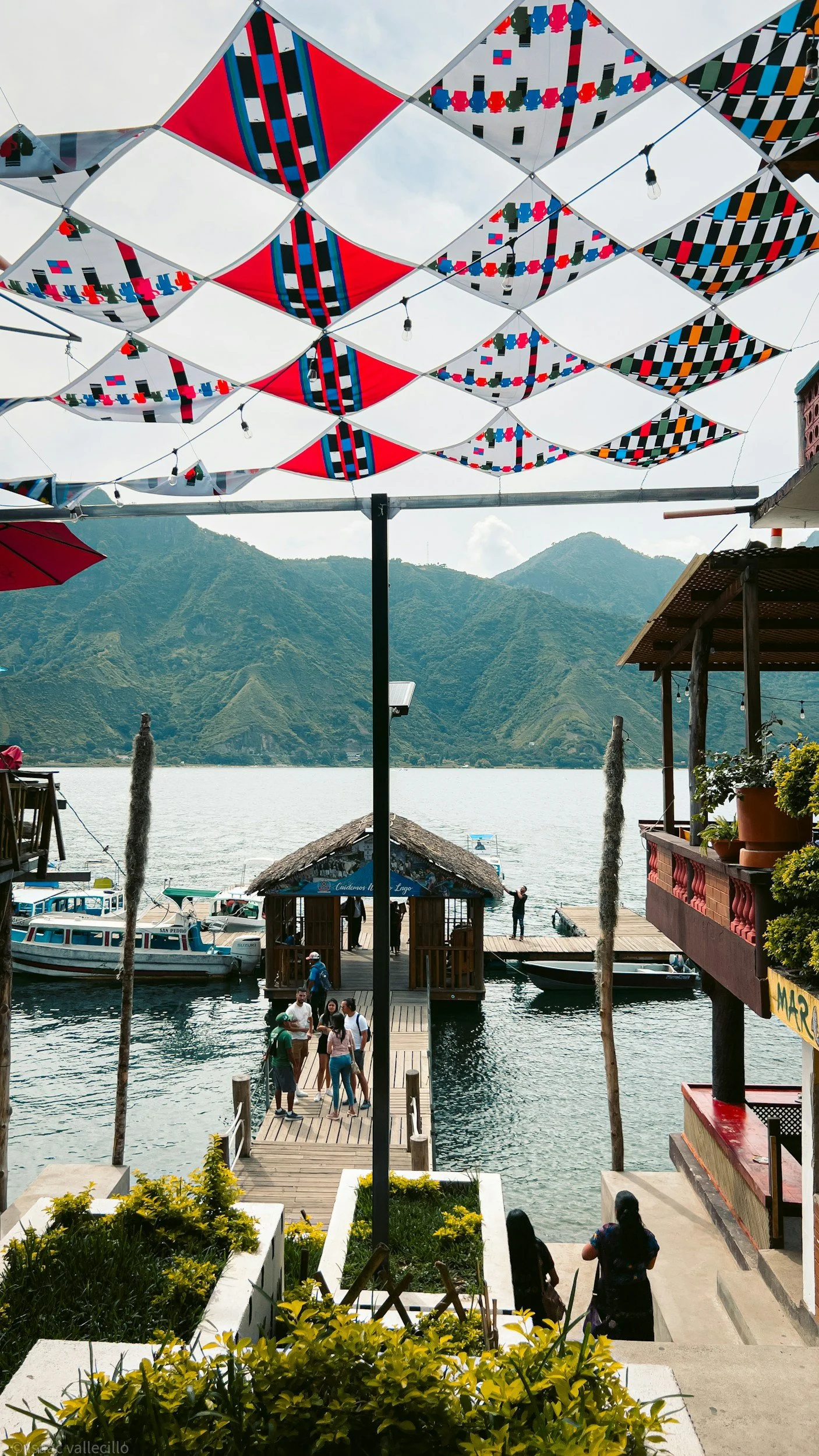
A few hours from Antigua sits Lake Atitlán, surrounded by towering volcanoes and vibrant indigenous villages.
Often described as one of the most beautiful lakes in the world, Lake Atitlán is not just a destination — it’s an experience.
The lake was formed in a massive volcanic crater thousands of years ago and today is framed by three volcanoes: Volcán Atitlán, Volcán Tolimán, and Volcán San Pedro.
Each village around the lake offers its own personality.
Panajachel serves as the gateway town, where travelers arrive before exploring the lake by boat.
Across the water, villages like San Juan La Laguna offer a deeper look into Mayan culture, known for its art cooperatives, natural dye workshops, and traditional weaving techniques.
At Lake Atitlán, life slows down.
You spend mornings watching the light move across the volcanoes.
Afternoons wandering colorful streets.
Evenings listening to the lake settle into silence.
It’s the kind of place that quietly changes you.
Where to Stay Around Lake Atitlán
Whether you’re looking for luxury or boutique charm, the lake offers some unforgettable stays.
One of the most iconic hotels is Hotel Atitlán, known for its lush botanical gardens and breathtaking views over the lake and volcanoes.
Other beautiful options around the lake include boutique hotels, eco-lodges, and small family-run properties that allow travelers to fully experience the rhythm of life here.
👉 Explore places to stay around Lake Atitlán
Things to Do Around Lake Atitlán
Some of the best experiences on the lake include:
• Boat tours visiting several villages
• Cultural workshops with local weaving cooperatives
• Hiking above the lake for panoramic views
• Kayaking across the calm morning waters
• Visiting local markets and artisan studios
If you'd like to explore some of the best guided experiences available around the lake:
👉 Explore Lake Atitlán tours here
Why Guatemala Feels Different
Guatemala isn’t trending because it’s flashy.
It’s rising because it’s layered.
It’s woven textiles drying in the sun.
It’s church bells echoing through colonial streets.
It’s markets bursting with color.
It’s traditions that are still lived every day.
And for me, every time I return, it isn’t just a trip.
It’s a reconnection.
If Guatemala has been quietly on your radar…
Maybe it’s time to go. If you're ready to plan a meaningful trip and prefer to organize your own adventure, I’ve created a guide to help you along the way.
It includes immigration tips, SIM card information, climate charts, emergency numbers, hotel recommendations, and more.
👉 Download My Free Guatemala Guide to Antigua & Lake Atitlán
If Guatemala has been quietly on your radar, and you prefer a Travel Advisor to book and plan your entire trip. I’d love to help you do it right.
BOOK A FREE TRAVEL CONSULTATION HERE
Affiliate Disclosure:
This guide contains affiliate links. If you click on certain links and make a booking or purchase, I may earn a small commission at no additional cost to you. These commissions help support my work in creating travel guides and resources like this one. I only recommend hotels, tours, and services that I personally trust or believe provide great value to travelers.
Bonus: A Simple First-Time Guatemala Itinerary
Book Tours & Accommodations
If you’d like curated experiences, I personally recommend:
👉 My Viator Shop – Guatemala Favorites
(Antigua + Lake Atitlán)
Days 1–3: Antigua
• Walking tour of the historic center
• Volcano hike (Pacaya for moderate or Acatenango for adventurous)
• Coffee plantation visit
• Rooftop sunset dinner
Days 4–6: Lake Atitlán
• Transfer to Panajachel
• Boat tour to San Juan and Santiago
• Cultural immersion experiences
• Kayak at sunrise or relax lakeside
What to Pack for Guatemala
Guatemala’s highland climate means warm days and cooler evenings.
Essentials
• Portable charger
• Comfortable walking shoes (cobblestones are uneven)
• Lightweight layers
• Rain jacket
• Reusable water bottle
• Sunscreen and hat
• Small backpack
• Cash (Quetzales)
For Volcano Hiking
• Hiking boots
• Headlamp
• Warm gloves and beanie
• Thermal layers
• Windproof jacket
• Electrolytes and snacks
Temperatures on Acatenango can drop significantly at night, even when Antigua feels warm.
For help booking your trip, don’t forget to download my Free Guide:
👉 Download My Free Guatemala Guide to Antigua & Lake Atitlán